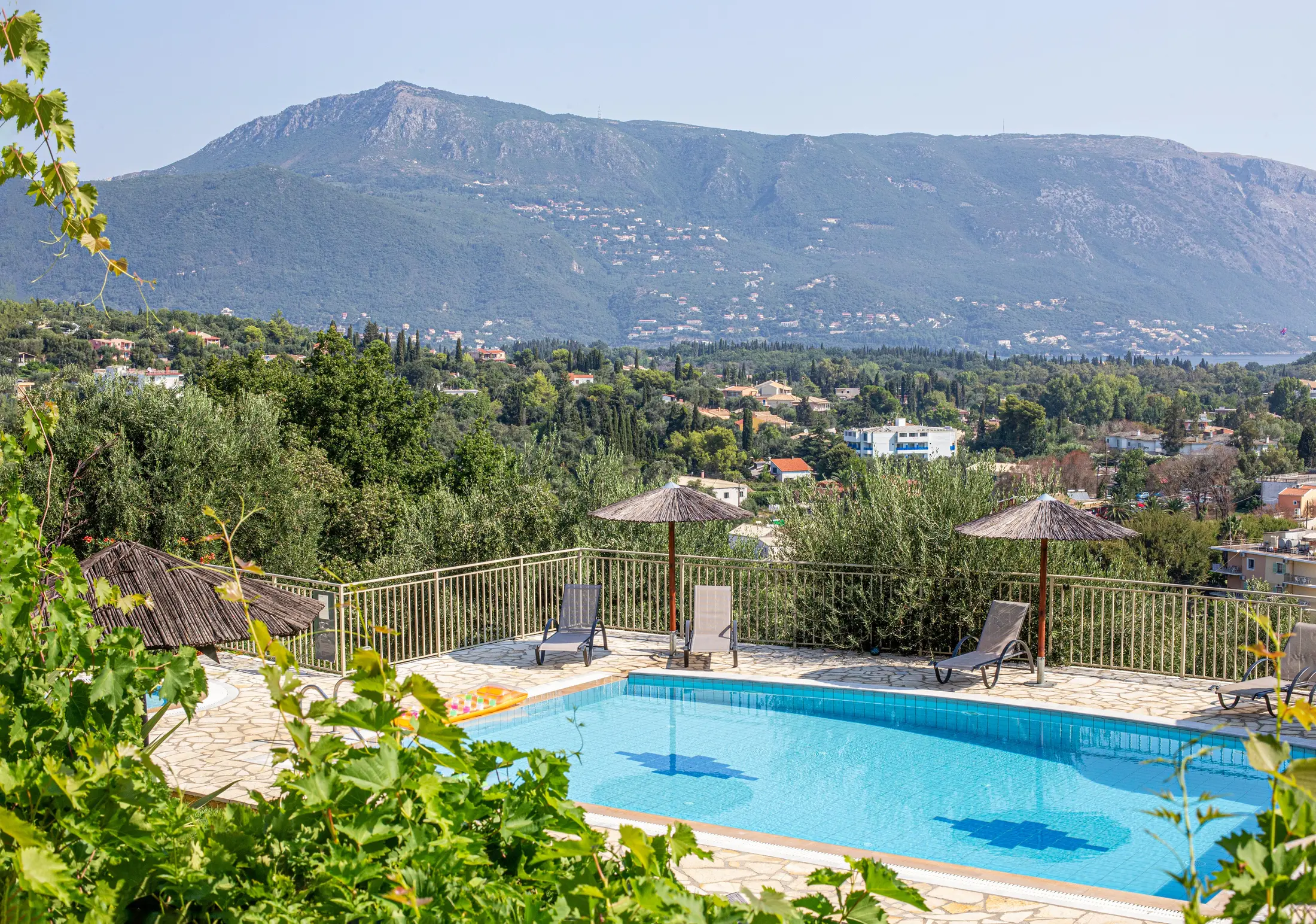
The best Greek island for a last-minute package from Poland depends less on the most attractive photograph and more on the kind of holiday you want to have after landing. Crete usually offers the widest choice and the greatest variety of sightseeing, Rhodes works well for a balance of beaches and history, Kos is convenient for a compact and easy-going break, while Zakynthos is strongest when scenery and dramatic coves matter most.
The important compromise is flexibility. If you insist on one island, one resort and one exact hotel, a last-minute search may leave you with very little choice. If you can compare two or three Polish airports, several regions and different board options, Greece becomes much easier to search intelligently. The package price is only the starting point: transfer time, room location, beach access and the way you plan to spend your days can change which offer is genuinely best.
Start with the holiday you actually want, not the island name
Before comparing Crete with Rhodes or Kos, decide whether you want a resort week, a sightseeing base or a mixture of both. A large island with a beautiful hotel may be a poor choice if you want to explore every day and do not plan to hire a car. Conversely, a small island can feel limiting if your ideal holiday includes several different beaches, archaeological sites and long drives through the countryside.
For a flexible search, begin with current Greece last-minute holidays from Poland and then narrow the results by departure airport, length of stay, region, hotel standard and board basis. This order prevents a common mistake: choosing a hotel because the headline price looks attractive and only afterwards discovering that the flight leaves from an inconvenient airport or that the resort is far from the places you wanted to visit.
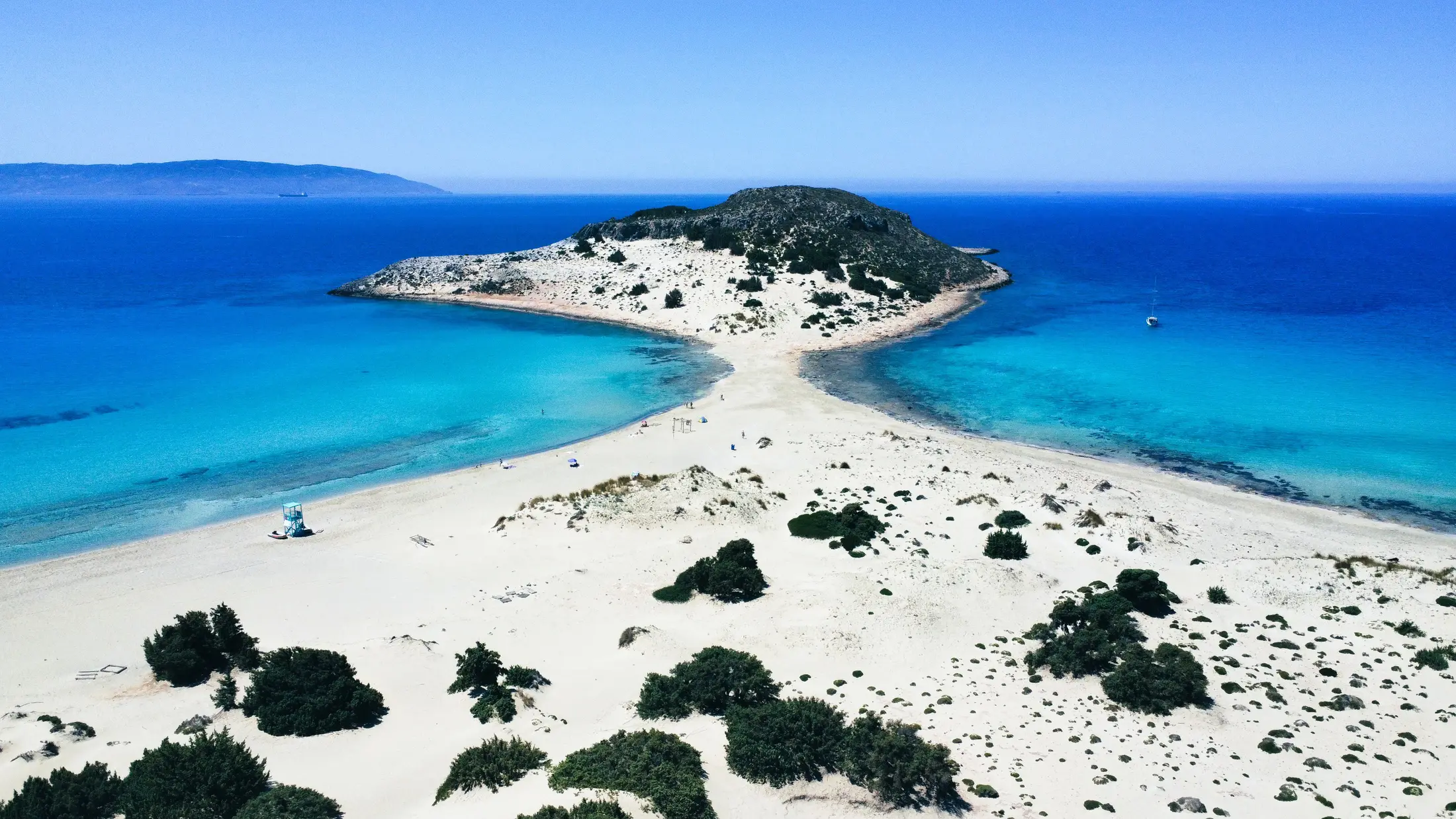
Last-minute availability changes quickly, so treat the results as a current shortlist rather than a promise that the same room will remain available. Compare the total price for everyone travelling, then check what is actually included: baggage, airport transfer, room category, meals and any supplements. A slightly more expensive package can be better value if it saves a long transfer or gives you a more practical departure time.
Crete, Rhodes, Kos or Zakynthos?
| Island | Best match | Main advantage | What to check before booking |
|---|---|---|---|
| Crete | First-time visitors, couples and travellers combining beach time with sightseeing | The broadest choice of regions, resorts, beaches, food and historical attractions | Distances between resorts and attractions; a hotel on one side of the island may not suit a short stay focused on the other |
| Rhodes | Travellers who want a clear mix of beaches, resort facilities and history | Medieval Rhodes Town, Lindos and a wide range of coastal resorts | Whether the hotel location suits the beaches and sights you want; coastal conditions can differ around the island |
| Kos | Families, couples wanting a simple week and visitors who like cycling or short excursions | A relatively compact island with beaches, resorts, history and cycle-friendly areas | Whether the hotel is close to the type of beach and evening atmosphere you prefer |
| Zakynthos | Beach lovers, photographers and travellers attracted by coves, cliffs and boat excursions | Turquoise water, striking coastlines, marine nature and a lively choice of resort areas | Resort character, night-time noise, transfer arrangements and the practical conditions of boat trips |
Why Crete is the safest all-round choice
Crete is Greece’s largest island and has enough geographical and cultural variety to support several different kinds of holiday. A couple can combine a beach resort with Chania, Rethymno or Heraklion; a family can prioritise a hotel with an easy beach and swimming pool; and more active travellers can use a hire car to reach villages, gorges and less developed coastal areas.
That variety is also the main trap. Crete is not a single compact resort. The distance from the airport, the location of the hotel and the side of the island you choose can determine how much time is available for excursions. For seven nights, select one part of the island and explore it properly instead of building an ambitious itinerary that spends half the holiday in a vehicle. For ten or fourteen nights, the island’s size becomes an advantage because you can divide the stay between two areas.
Crete is particularly strong for travellers who do not want to choose between relaxation and history. The official Greek tourism organisation describes the island as a destination with more than 1,000 kilometres of coastline, major archaeological sites and distinct western, central and eastern regions. In practical booking terms, that means the hotel’s location matters almost as much as its star rating.
When Rhodes is better than Crete
Rhodes often suits someone who wants a more immediately understandable holiday plan: spend part of the week by the sea, reserve a day for Rhodes Town, perhaps visit Lindos and keep the remaining days flexible. Its medieval heritage gives the island a strong sightseeing option even when the holiday is based in a conventional beach resort. The official destination guide highlights the combination of the Old Town, Lindos, archaeological sites, mountains and seaside resorts.
Rhodes can therefore be a good fit for couples or families who want more than the hotel but do not want to organise a complicated island-wide tour. The key is to read the resort location carefully. A hotel near a quiet beach may be excellent for rest but inconvenient for evening walks or historical sightseeing. A property closer to a busy resort may make excursions easier while bringing more noise and traffic.
If the island is being considered for a short last-minute break, compare the usable holiday time rather than the number of nights alone. A late arrival and an early return can make a seven-night package feel much shorter. In that situation, a convenient hotel location may be worth more than a small difference in the room category.
Why Kos works for a simpler week
Kos is a practical choice when you want a holiday that does not require long daily journeys. It combines beaches, seaside resorts, historical remains and a town that is easy to use as a base. The official Greek tourism organisation also points to its cycle paths, family-friendly beaches and mixture of ancient, medieval and Italian architectural influences.
This makes Kos attractive for couples who like to mix swimming with short explorations and for families who prefer not to spend hours on coaches. A bicycle, taxi, organised excursion or short car hire can open up more of the island without turning the week into a road trip. Kos is also worth considering when the available package has a particularly convenient airport schedule or a hotel that sits close to the kind of beach you want.
The compromise is that a smaller island may offer less variety than Crete. If your priority is a large choice of landscapes, major cities and multi-day sightseeing, Kos may feel repetitive after a longer stay. For a focused seven-night holiday, however, its compact scale can be a genuine benefit rather than a limitation.
Choose Zakynthos for scenery, but inspect the resort carefully
Zakynthos is a strong match for travellers who are drawn to dramatic coastlines, clear water, marine caves and boat trips. The official tourism guide describes the island’s contrast between sandy beaches, quiet coves and rugged cliffs, and notes its importance as a habitat for loggerhead sea turtles. Those features give the destination a different character from a purely resort-based holiday.
There is an important distinction between visiting Zakynthos for its landscapes and booking a hotel in a resort that happens to be on Zakynthos. Before paying, check whether the property is close to a beach, whether the surrounding area is lively or quiet, and how excursions are organised. A beautiful photograph of a famous cove does not tell you how long the transfer will take or whether the excursion is suitable for young children, people with limited mobility or anyone affected by rough sea conditions.
Zakynthos can work brilliantly for a couple who wants a few relaxed resort days and one or two memorable excursions. It is less suitable for someone who expects every beach to be directly outside the hotel or who wants a completely predictable schedule with no dependence on weather and sea conditions.
Is All Inclusive the right choice in Greece?
All Inclusive makes the most sense when the hotel is the centre of the holiday. Families often value predictable meal times and fewer decisions during a hot day. It can also suit couples who want to spend most of their time by the pool or beach, especially when the resort is far from a town and eating independently would require taxis or a hire car.
It is not automatically the best option for every Greek island trip. Greece has a strong taverna culture, and travellers who plan to explore villages, eat local food and spend most evenings away from the hotel may get better value from breakfast or half board. The correct comparison is not only “which package is cheaper?” but “how often will we realistically eat and drink inside the resort?”
Once the holiday is clearly resort-based, compare current Greece All Inclusive packages separately from room-only and half-board offers. Read the actual inclusions rather than treating the label as a complete description. Check restaurant hours, snacks, local and imported drinks, beach or pool bars, à la carte reservations, minibar rules, Wi-Fi and any facilities that carry a supplement.
Two hotels can both advertise All Inclusive while offering noticeably different daily routines. One may have a broad service window and several food outlets; another may focus on fixed buffet hours and charge for selected drinks or activities. If the hotel is remote, those differences matter more because leaving the resort is less convenient. If you plan to explore every day, the extra cost of All Inclusive may pay for food and drinks you never use.
How to compare a Greek package from a Polish airport
- Compare realistic airports. Include the cost of fuel, parking or a train, not only the package price. A lower fare from a distant airport can disappear after transport costs are added.
- Look at the whole flight schedule. Check the arrival and return times, because the first and last day may contain much less holiday than the number of nights suggests.
- Identify the exact region. “Crete” or “Rhodes” is not enough. Record the resort, airport used and approximate transfer arrangement.
- Check the room category. Economy rooms, annex buildings, side-sea-view rooms and standard rooms can have different locations and facilities.
- Read the beach description. Look for distance, access, sand or pebbles, road crossings, steep paths and whether loungers or watersports cost extra.
- Match the board basis to your plans. All Inclusive is convenient for a resort holiday; breakfast or half board may be better for an island you intend to explore.
- Check the transfer before deciding. A shared coach can include waiting and several hotel stops. For a short trip, a shorter transfer can be more valuable than a modest room upgrade.
- Read the final booking documents. Confirm the organiser, baggage, payment terms, cancellation conditions and which services are included before treating a result as a finished holiday.
The simplest decision rule
- Choose Crete if you want the widest choice and a mixture of beaches, food, history and excursions.
- Choose Rhodes if you want a balanced resort holiday with an easy historical programme.
- Choose Kos if you prefer a compact island, shorter explorations and a relaxed weekly rhythm.
- Choose Zakynthos if scenery, coves and boat trips matter more than having the largest range of resorts.
- Choose All Inclusive when the hotel is the main destination; choose a less restrictive board basis when local food and daily exploring are central to the plan.
There is no universal winner among the Greek islands. For a last-minute package from Poland, the strongest choice is the offer whose island, resort, airport, transfer and board basis all support the same type of holiday. Start with the experience you want, keep two or three alternatives open, and use the current availability to find the best-fitting package rather than forcing a cheap offer into a plan it cannot serve.